
🎯 The Big Picture
Modern electronics power everything from smartphones to satellites, but they all share a major limitation. Heat. Once temperatures climb above roughly 200 degrees Celsius, most devices begin to break down. For decades, this thermal barrier has been one of the toughest challenges in engineering. Researchers at the University of Southern California now believe they have found a way past that limit. In a study published on March 26, 2026 in Science, a team led by Joshua Yang, Arthur B. Freeman Chai
📖 What Happened
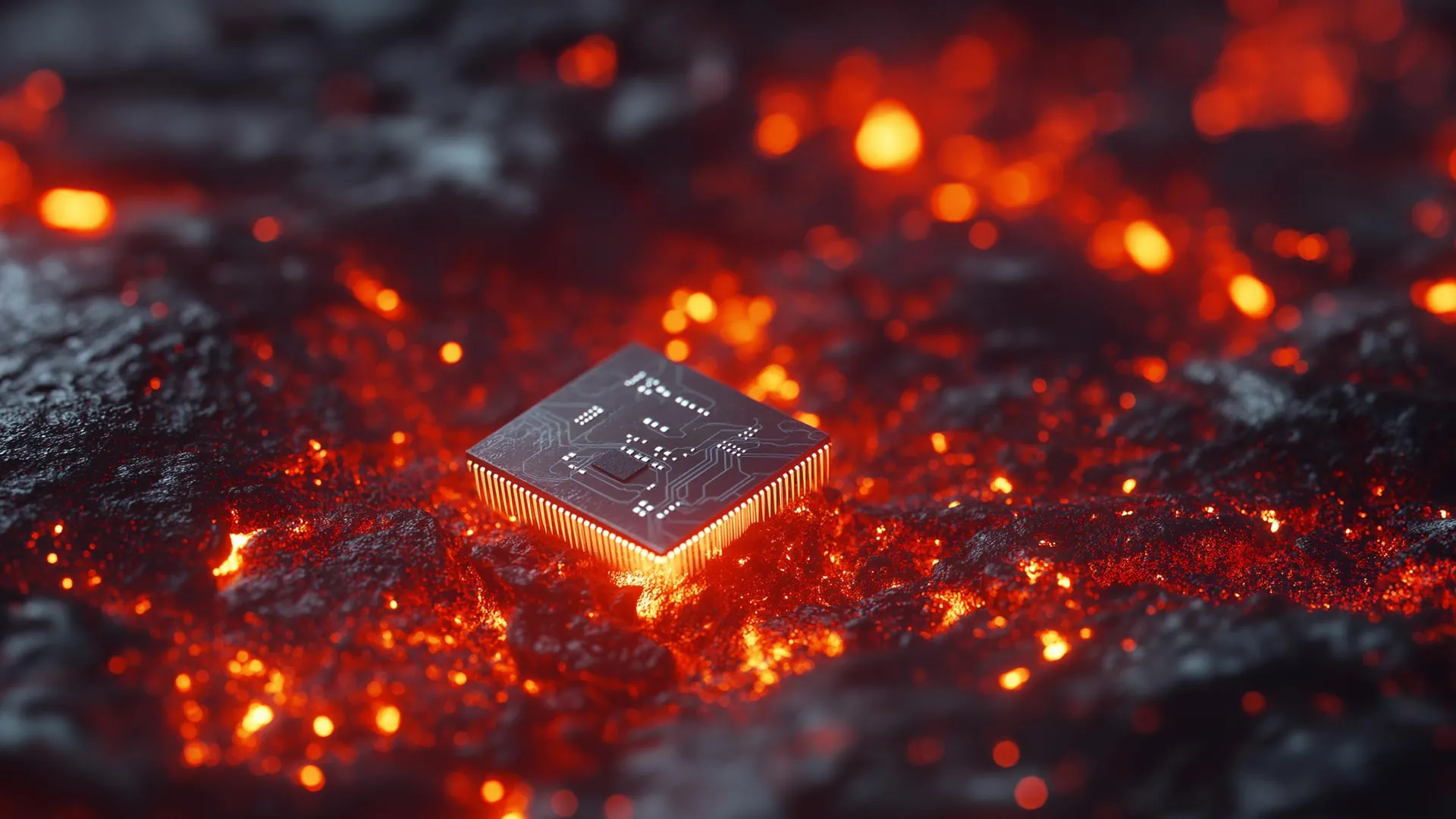
r Professor at the Ming Hsieh Department of Electrical and Computer Engineering at the USC Viterbi School of Engineering and the USC School of Advanced Computing, unveiled a new type of memory device that continues to operate at 700 degrees Celsius (~1300 degrees Fahrenheit). That temperature exceeds molten lava and goes far beyond anything previously achieved for this class of technology. The device showed no sign of failure. In fact, 700 degrees was simply the maximum their equipment could test. "You may call it a revolution," Yang said. "It is the best high-temperature memory ever demonstrated." The new device is known as a memristor, a nanoscale component that can both store data and perform computations. It is constructed like a microscopic layered structure, with two electrodes on ei
💰 By the Numbers
| 📊 Metric | 💡 Context |
|---|---|
| 92 percent | Modern electronics power everything from smartphones to satellites, but they all... |
🎤 Highlights
• Freeman Chair Professor at the Ming Hsieh Department of Electrical and Computer Engineering at the USC Viterbi School of
• That temperature exceeds molten lava and goes far beyond anything previously achieved for this class of technology.
• "It is the best high-temperature memory ever demonstrated.
• Jian Zhao, the study's first author, built the device using tungsten for the top electrode, hafnium oxide ceramic in the
💬 In Their Words
"It is the best high-temperature memory ever demonstrated."
"s original plan. They were initially attempting to create a different graphene-based device, which did not work as intended. Along the way, they encountered something surprising. "
🚀 Why It Matters
This development represents a significant moment in the AI landscape. As the technology continues to evolve rapidly, such advancements shape how organizations approach innovation, competitive strategy, and digital transformation. The implications extend beyond the immediate technical achievement to influence broader industry trends and market dynamics.
⚡ The Bottom Line
This new chip survives 1300°F (700°C) and could change AI forever — a notable development highlighting AI's continued momentum and growing impact across industries.
📰 Source: Science Daily AI 🔗